Escaping the rat race: My honest story of living off the grid
 ">Discover Homesteading
Send an email
">Discover Homesteading
Send an email
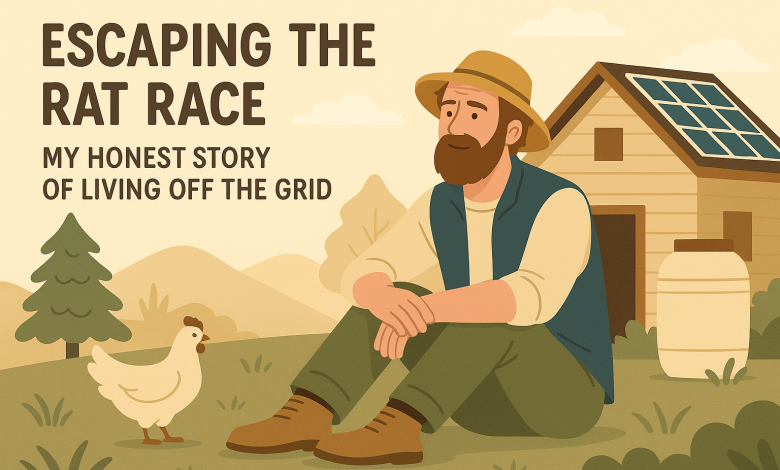
Living off the grid: My honest story of escaping the rat race
I never imagined I’d be the kind of person who would walk away from everything a stable job, a downtown apartment, the convenience of modern life to build a life in the woods, completely off the grid.
Yet, here I am, sitting by the window of a small cabin I built with my own hands, writing this with solar-powered electricity, and listening to the sound of the wind moving through the trees instead of the constant hum of traffic.
For years, I was caught in what people call the rat race. I climbed the corporate ladder, chasing promotions, pay raises, and the next big thing that was supposed to make me happy. But no matter how high I climbed, it always felt like I was running on a treadmill moving fast, but getting nowhere meaningful.
This is the story of how I escaped that cycle, why I chose to live off the grid, and what life really looks like on the other side. Spoiler alert: it’s not all sunsets and fresh tomatoes but it’s worth every struggle.
What pushed me to leave the rat race and Living off the grid
I guess, like most people, I didn’t wake up one morning and decide to leave my life behind. It was more of a slow burn a series of realizations that piled up over the years until it was impossible to ignore.
The burnout I couldn’t shake

My days in the city followed a routine that was both predictable and exhausting. Wake up to an alarm I hated, squeeze into crowded trains, stare at screens for eight hours under fluorescent lights, then come home too drained to enjoy anything. Weekends were spent trying to recharge, but by Sunday evening, the anxiety about Monday would already creep in.
At first, I told myself that this was normal that this was just adulthood. Everyone around me was living the same way, so I thought I was on the right path.
But then the fatigue started to feel different. It wasn’t just tiredness it was emptiness. I wasn’t creating anything, I wasn’t learning, I wasn’t growing. I was just existing in a loop, trading my time for a paycheck that was mostly spent on rent, takeout, and stuff I didn’t really need.
The moment everything clicked (why live off the grid)
What really pushed me over the edge was a conversation I had with an old friend I hadn’t seen in years. She had left the city to live on a small piece of land with her partner. No electricity bills, no commutes, no endless meetings. She told me about her garden, her chickens, and the quiet satisfaction of building a life from scratch.
I couldn’t stop thinking about that conversation for weeks. It wasn’t just envy it was like someone had opened a door I didn’t know existed.
Then came the tipping point: I was passed over for a promotion I’d worked years for. The disappointment hit harder than I expected. Not because of the missed opportunity, but because it made me realize I didn’t even want it anymore. I didn’t want a better office or a bigger paycheck. I wanted out.
The mental shift
Once that realization settled in, I couldn’t look at my life the same way. I started consuming every book, video, and blog I could find about off-grid living, self-sufficiency, and alternative lifestyles. The more I learned, the more I felt like I was waking up from a dream I didn’t remember falling into.
It wasn’t just about escaping it was about reclaiming my time, my energy, and my connection to the world around me. I wanted to wake up with the sun, grow my own food, and build something tangible with my own hands.
Of course, the idea was terrifying. I had no experience in construction, no clue how to grow a tomato, and no safety net if things went wrong. But I knew staying in the rat race would slowly kill my spirit, and that was the bigger risk.
So I made a decision: I was going to leave everything behind and start a new life off the grid.
My first steps toward off-grid living
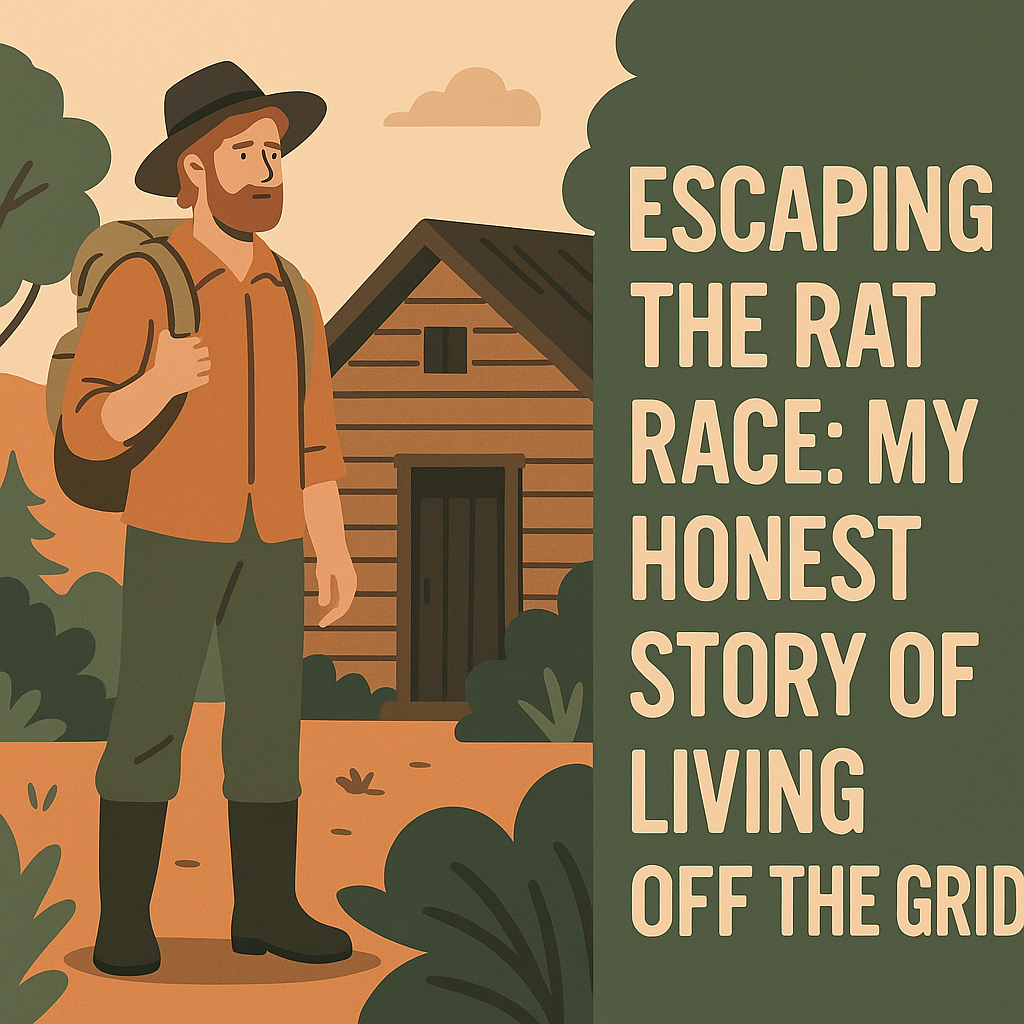
Making the decision to leave was one thing actually doing it was another. Once the adrenaline of my choice wore off, I was left staring at my apartment, my possessions, my job contract, and wondering: where do I even start this off grid lifestyle?
The truth is, there’s no perfect guidebook for how to transition from city life to off-grid living. But here’s how I navigated those first, uncertain steps.
Learning and unlearning when living off the grid
The first thing I realized was how little I actually knew about surviving let alone thriving outside of a conventional lifestyle. I knew how to draft reports, build presentations, and hit quarterly targets, but I didn’t know how to grow food, split wood, or even what kind of soil tomatoes liked.
I immersed myself in research. I spent months watching YouTube channels run by homesteaders, reading blogs about off-grid living, self-sufficiency journey and buying every book I could find on topics like:
- Permaculture and sustainable gardening
- Solar power systems
- DIY construction for beginners
- Food preservation techniques like canning and fermenting
But information alone wasn’t enough. I needed to unlearn habits of convenience. I was used to things being available at the push of a button: food delivery, climate control, instant lighting. I had to start thinking differently how to solve problems when there’s no store nearby, no handyman to call, and no app to guide you.
Downsizing and selling everything
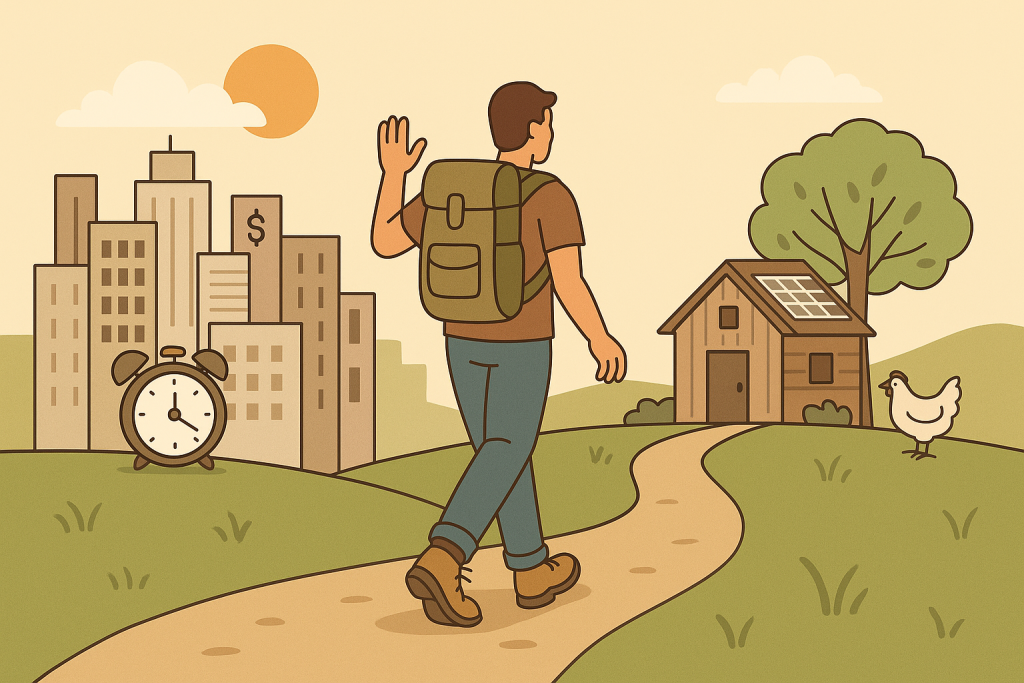
When I started picturing my life off the grid, I imagined simplicity a small cabin, a garden, a couple of animals maybe. That meant I had to part ways with most of my belongings.
I began selling, donating, and giving away almost everything I owned. Furniture, clothes, gadgets if it wasn’t essential or didn’t have practical use in the wild, it went.
This process was surprisingly liberating. Every item I let go of felt like shedding a layer of the old life that no longer fit. I realized how much of my identity had been tied to stuff things that didn’t actually make me happy or fulfilled.
Choosing the right location for living off the grid
Finding the right place to start my off-grid life wasn’t easy. I had a modest budget and specific criteria:
- Affordable land where building regulations weren’t overly restrictive.
- Access to natural water sources like a spring or river.
- Enough sunlight exposure for solar energy.
- A mild enough climate to sustain a garden.
After months of searching, I found a small plot of land in a rural area two states over. It wasn’t picture-perfect, but it had potential: a clearing surrounded by trees, a creek nearby, and a friendly, if sparse, local community.
I visited twice before committing. On my second visit, standing under a vast open sky, breathing in the silence, I knew this was the place.
Telling family and friends
This was the hardest part. When I told my family and close friends, the reactions ranged from concern to outright disbelief.
“Are you having a midlife crisis?”
“What if you fail and have to come back?”
“Why would you throw away a stable career?”
I understood their skepticism. On paper, what I was doing looked reckless. But deep down, I knew it was the only path forward if I wanted a life that felt truly mine.
Some friends quietly admired the decision. A few even confessed they wished they had the courage to do the same.
Facing my fears
I’d be lying if I said I wasn’t scared. I was. I didn’t know how to build a cabin, how to wire a solar system, or even how to properly chop wood without injuring myself. Every task ahead of me was something I’d never done before.
But that fear was tempered by excitement the kind of excitement that only comes when you’re doing something real, something that actually matters to you.
I gave myself a six-month runway: I quit my job, finalized the land purchase, and started gathering the basic tools and materials I’d need to build my off-grid homestead from scratch.
And then, I left. I packed my remaining belongings into a beat-up pickup truck and drove away from the city not just physically, but mentally and emotionally too.
Building my off grid homestead
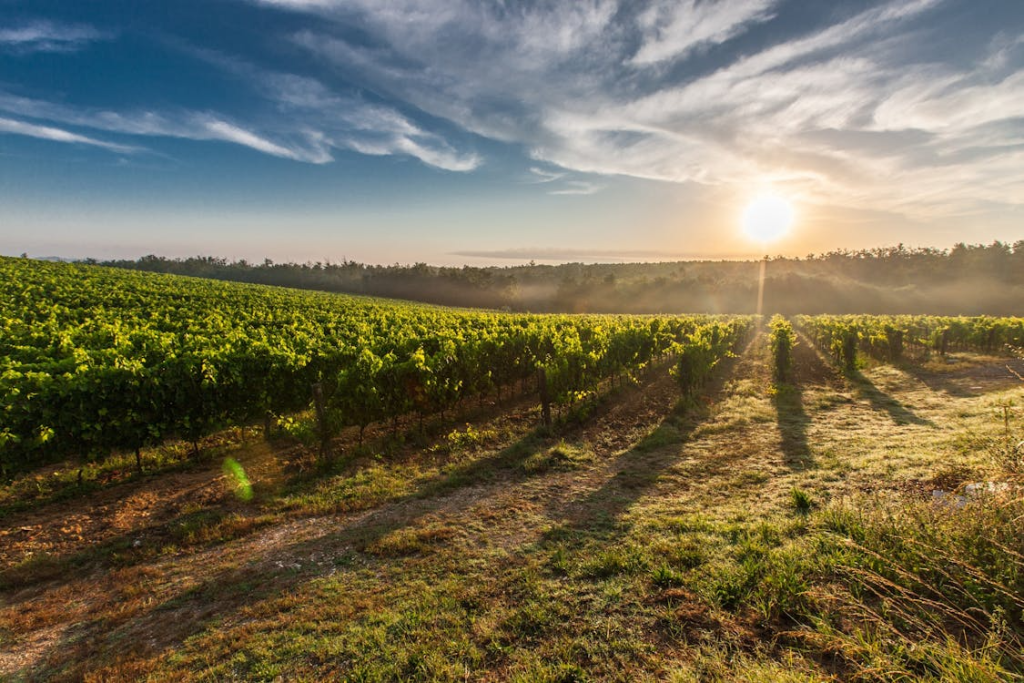
When I first stepped onto the land that was now mine for living off the grid, I felt a strange mix of excitement and panic. There I was, standing in the middle of a clearing, surrounded by trees, with nothing but the sound of wind through the pines and a couple of stubborn birds arguing overhead. No house. No running water. No electricity. Just me, a truck full of supplies, and the weight of my decision.
This wasn’t a weekend camping trip this was my new reality.
Figuring out shelter: one board at a time
I had zero experience with construction. I’d never built anything more complicated than an Ikea shelf, so the idea of building a cabin was laughable but necessary.
I didn’t have the money to hire contractors, so I started small. I spent the first few nights sleeping in my truck, with the windows cracked open and a heavy blanket against the cold. During the day, I watched YouTube tutorials, scribbled sketches on a notepad, and slowly gathered the confidence to hammer together a basic shed-sized shelter.
It wasn’t pretty. The walls weren’t perfectly level, and the roof leaked during the first rain. But every crooked nail was a lesson. I learned to:
- Measure twice, cut once (a rule I ignored too many times).
- Brace walls properly so the wind wouldn’t shake the entire structure.
- Waterproof, waterproof, waterproof because the elements don’t care that you’re learning.
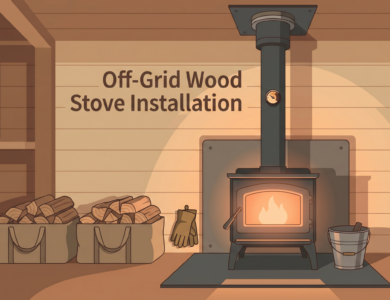
Over weeks, that rickety shelter evolved into a proper tiny cabin, complete with insulation, a wood stove I installed with gritted teeth, and just enough space to sleep, cook, and stay dry.
I still remember the first night I slept inside, on a real mattress instead of a truck seat. The wind howled outside, but I was warm, dry, and proud.
Powering up: solar lessons the hard way
Next on the list was power. I knew I wanted to stay off-grid, so I invested in a modest solar power system: a few panels, a charge controller, deep-cycle batteries, and an inverter.
Of course, it wasn’t plug-and-play like I hoped. I made rookie mistakes:
- I underestimated how much sunlight my clearing actually got through the trees.
- I didn’t account for energy consumption properly, so I’d run out of power halfway through the night.
- My first attempt at wiring nearly fried the system because I overlooked proper grounding.
But each failure taught me to respect the process. I read more, watched solar installation videos religiously, and finally figured out a setup that could reliably power lights, a small fridge, and occasionally charge my laptop.
Water: the lifeblood of everything
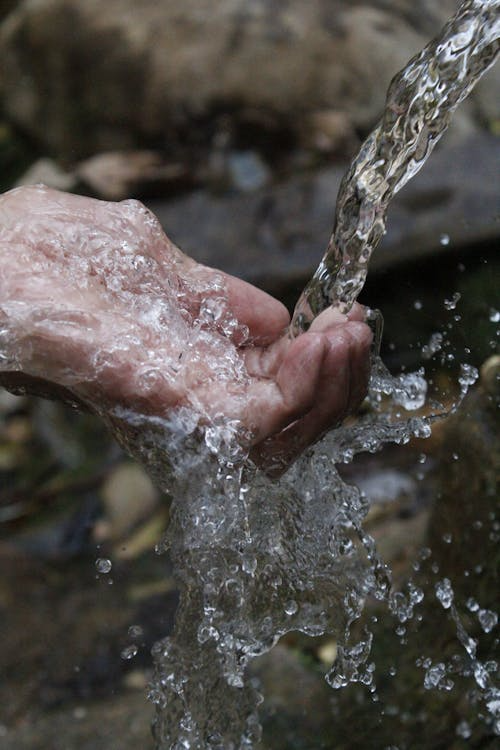
Water was non-negotiable. Luckily, the creek nearby ran most of the year, but drinking directly from it was risky. I learned to:
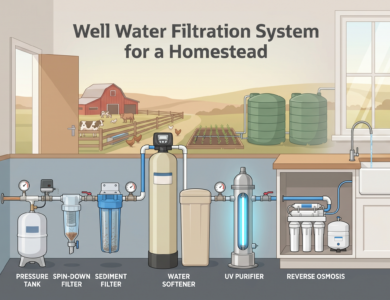
- Set up a basic gravity-fed filtration system using barrels and filters.
- Boil water as a backup, especially during heavy rains when the creek would muddy.
- Collect rainwater using makeshift gutters and storage barrels.
Fetching water became a ritual, and it made me acutely aware of how much I used a lesson in conservation I’d never learned in the city.
Growing food: dirt under my fingernails
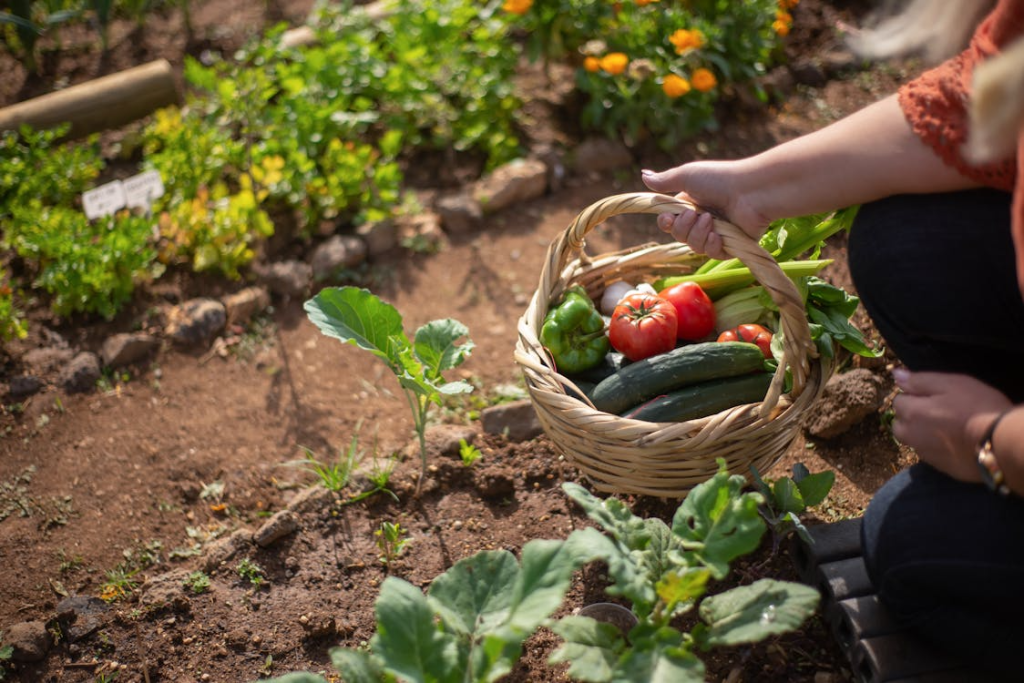
I started a garden by clearing a patch of land close to the cabin. The soil wasn’t great, so I hauled compost from a neighbor’s farm (a 20-minute drive on a rough dirt road). My first planting was overly ambitious: tomatoes, peppers, beans, herbs most of which didn’t survive the first season.
But I kept at it. I learned about:
- The importance of companion planting to naturally repel pests.
- Mulching to retain soil moisture.
- Starting seeds indoors to protect them from unpredictable frosts.
There’s something humbling about eating food you grew with your own hands, even if the tomatoes were small and lopsided.
The emotional rollercoaster
Some days felt like a victory getting power running, harvesting a basket of fresh greens, or hearing the creek gurgle on a quiet morning. Other days, I questioned everything: when storms knocked out my power, when I woke up to find deer had trampled my garden, or when loneliness crept in after dark.
But there was always this quiet, persistent satisfaction. Every nail driven, every seed planted, every problem solved was mine. I was building a life, not just a house.
How my life changed living off the grid
I thought I understood what I was getting into when I decided to leave the rat race that I’d trade comfort for simplicity, paychecks for peace, and deadlines for daylight. But the truth is, I had no idea just how deeply this lifestyle would change me.
Living off the grid reshaped not only my daily routine but also how I saw myself, my health, and the world around me.
Financial freedom, redefined
Back in the city, I thought I was financially stable good salary, retirement plan, health insurance. But I was always chasing the next expense: rent, utilities, subscriptions, happy hours, and whatever shiny new gadget promised to make life better.
Out here, expenses don’t vanish, but they shift. My biggest investments were:
- Solar equipment
- Tools and materials
- Seeds, soil, and gardening tools
- Occasional fuel for my generator and truck
Once those essentials were in place, I found my monthly living costs dropped to a fraction of what I used to spend. No rent. No electric bill. No endless Amazon deliveries.
And the best part? The financial pressure eased. I didn’t need to work 50 hours a week anymore. I started doing freelance writing and remote consulting enough to cover essentials without sacrificing my time or peace of mind.
Money stopped being the center of my life. That in itself was a kind of wealth I’d never experienced before.
Mental clarity and peace
I didn’t realize how much the city noise literal and mental had weighed on me until it was gone. The constant hum of cars, sirens, screens, and social obligations had kept my mind in a perpetual state of low-grade anxiety.
Out here, I wake up to the sound of birds, not alarms. My days are shaped by sunlight and seasons, not by meeting schedules. The mental bandwidth that once went to juggling emails and deadlines now goes to problem-solving, creativity, or simply noticing the details in nature.
It’s not all zen and mindfulness there are still stressful moments but the peace is deeper, more sustainable. My mind isn’t pulled in twenty directions anymore.
Physical transformation
Living off the grid is physical work. There’s no gym here, but I’ve chopped more wood, carried more water, and hauled more supplies than I ever did in a structured workout.
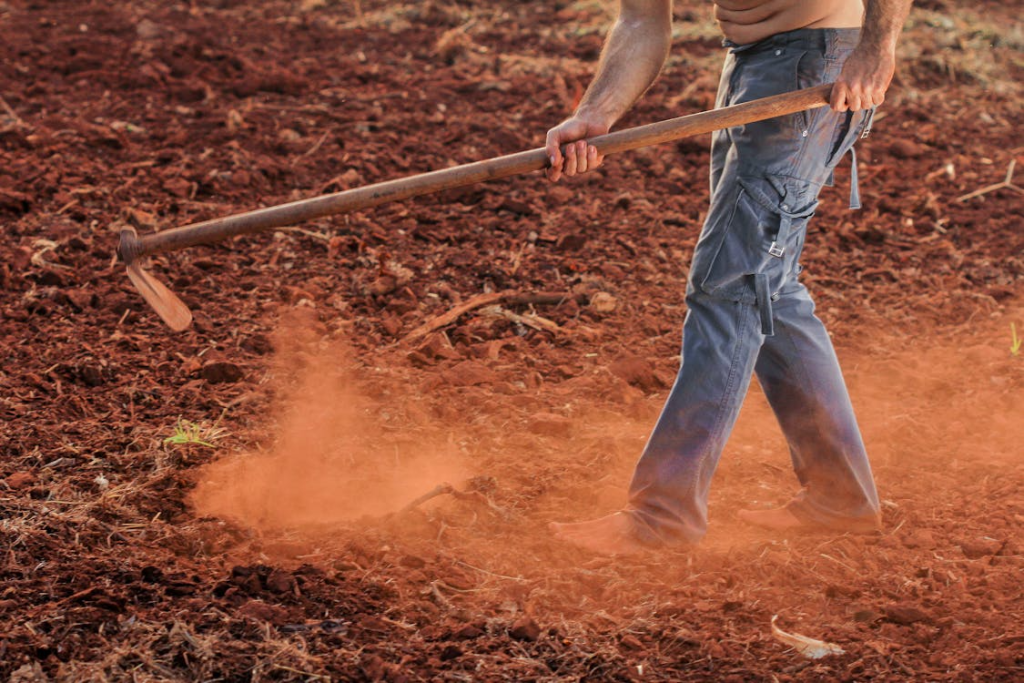
At first, my body protested sore muscles, bruises, and exhaustion. But over time, I grew stronger, more capable. Tasks that once felt insurmountable became routine:
- Chopping and stacking wood for winter
- Tending to the garden daily
- Repairing structures by hand
Without realizing it, I became healthier, fitter, and more in tune with my body’s needs.
Connection with nature and myself
In the city, nature was a park visit or a weekend hike. Here, it’s my everyday reality. I know the sound of rain on my cabin’s metal roof, the way the creek swells after a storm, and the habits of the deer that pass nearby at dawn.
This connection isn’t just about observation it’s about dependence and respect. Nature provides, but it also demands patience, adaptability, and humility. When you rely on the weather for power, water, and food, you learn quickly that you’re not in control and that’s freeing in a strange way.
I’ve also grown more connected to myself. With fewer distractions, I’ve spent more time reflecting, reading, and just sitting in silence. That’s where real growth happens not in the hustle, but in the stillness.
New priorities, lasting contentment
Living off the grid stripped life down to the essentials, and in doing so, it clarified what actually matters:
- Good food, grown by my own hands
- Shelter I built myself
- Relationships with the few neighbors I have, based on mutual support
- Time to think, to create, to rest
I won’t pretend it’s perfect. Some days are isolating. Some nights are colder than I’d like. But I wake up knowing I’m living on my own terms, and there’s a quiet contentment in that a kind I never felt while stuck in office meetings.
What I’ve learned from living off the grid
If I could sit down with my past self the version of me still stuck in city traffic, glued to a phone, stressing about deadlines I’d have a lot to say. Living off the grid has taught me lessons I couldn’t have learned any other way. Some came easy, others were hard-won through failure, frustration, and trial and error.
Here are the biggest lessons this lifestyle has taught me, and what I’d tell anyone considering taking the same leap.
1. Self-sufficiency is a process, not a destination
When I started, I had this romantic idea of being 100% self-sufficient growing all my food, generating all my power, relying on no one. But the reality is more nuanced.
Self-sufficiency is a spectrum, not an endpoint. I still buy some supplies from nearby towns. I rely on occasional deliveries for things like tools or seeds. And that’s okay.
The point isn’t to be completely isolated it’s to reduce dependence on fragile systems, to take control where you can, and to understand how things work so you’re not helpless when something breaks.
2. Skills matter more than gear
When I first started planning my off-grid life, I was obsessed with gear the best solar panels, the most efficient wood stove, the latest tools. But over time, I realized that skills will always trump stuff.
You can have the best tools in the world, but if you don’t know how to use them, they’re just expensive paperweights.
I invested time in learning:
- Basic carpentry and construction
- Gardening fundamentals
- Water filtration methods
- Simple electrical work
- Firewood splitting and stacking
- Preserving food through canning and fermenting
Skills are lightweight they travel with you, they grow with use, and they can’t be taken away.
3. Nature doesn’t care about your schedule
Living off the grid forces you to surrender control to the seasons. The weather dictates what you can do, when you can do it, and how hard it’s going to be.
- Heavy rain? You’re not working on the roof today.
- Early frost? Better harvest what you can before it’s ruined.
- Short winter days? Get tasks done while the sun’s up.
You stop fighting nature and start working with it. It taught me patience, adaptability, and how to plan ahead in a way my corporate calendar never did.
4. Community is essential
I came out here seeking solitude, but I quickly learned that no one truly thrives in isolation. I’m lucky to have a few neighbors scattered within driving distance folks who’ve lived off the land for decades. They’ve taught me more than any book or video could.
When my water system froze the first winter, it was a neighbor who showed me how to insulate the lines. When my first garden failed, another offered me spare seedlings.
Off-grid living isn’t about doing everything alone it’s about building a network of knowledge and support, however small.
5. It’s okay to fail
I’ve failed more times than I can count out here. I’ve built structures that collapsed, planted seeds that never sprouted, wired solar panels incorrectly, and even chopped wood the wrong way (pro tip: always keep your toes clear).
But each failure taught me something. Off-grid living requires resilience not just physical, but mental. You have to be okay with screwing up, learning, and trying again. Perfection is a myth out here; persistence is what matters.
What I’d do differently
If I could start over, I’d:
- Start practicing skills sooner especially gardening and basic construction.
- Spend more time visiting existing homesteads before diving in.
- Save more money for emergencies and unexpected repairs.
- Focus less on having the perfect gear and more on resourcefulness.
My advice to anyone dreaming of off-grid life
- Start small: You don’t need land to begin. Grow herbs on a windowsill, learn to preserve food, fix things instead of replacing them.
- Be realistic: This life is rewarding, but it’s not easy or glamorous.
- Find your why: Know what’s driving you to live off the grid. When things get hard and they will that purpose will keep you going.
- Stay curious: Keep learning. Skills compound, and every bit of knowledge makes you more capable.
Is off-grid living for everyone?
I get this question a lot: “Do you think I could live off the grid?” My honest answer? It depends.
Off-grid living is often romanticized peaceful days in nature, growing your own food, watching sunsets from your porch. And yes, those moments exist. But what you don’t always see are the early mornings hauling water, the frustration of repairing a frozen pipe, or the sheer physical effort of keeping everything running.
After a few years living this way, I’ve learned that this lifestyle isn’t for everyone and that’s okay. But how do you know if it’s for you? Let me break it down.
Who thrives living off the grid
1. Problem solvers
If you’re someone who enjoys figuring things out even when you have no prior experience you’ll do well off the grid. Out here, there’s no maintenance guy or hotline to call when something breaks. You have to think critically, troubleshoot, and sometimes create your own solutions from what you have on hand.
2. People comfortable with discomfort
Whether it’s chopping wood in freezing weather, dealing with power outages, or working outside during mosquito season, discomfort is part of the package. If you can push through that and even find a strange sense of satisfaction in it, you’ll adapt just fine.
3. Independent learners
Living off the grid requires learning constantly. Whether it’s gardening techniques, solar system maintenance, or animal care, there’s always more to know. If you enjoy learning by doing and don’t mind failing a few times, you’ll keep growing with the lifestyle.
4. Those who appreciate solitude
Off-grid life can be isolating. If you need a bustling social life, it might not be for you. But if you’re content with your own company, or with a small, close-knit community, the solitude can be rejuvenating.
Who might struggle with off-grid living
1. People who need instant gratification
Things take time out here. Crops don’t grow overnight. Building a home takes months, sometimes years. If you’re someone who gets frustrated when results aren’t immediate, this lifestyle can be demoralizing.
2. Anyone uncomfortable with uncertainty
Nature is unpredictable. Weather can ruin plans, equipment breaks down unexpectedly, and sometimes, things just go wrong. If uncertainty makes you anxious, the constant unpredictability might be too stressful.
3. Those unwilling to let go of convenience
Modern life has made things easy: tap water on demand, flick-of-a-switch power, fast internet, grocery stores stocked year-round. Off-grid life often means less convenience and if you’re not willing to adapt, it can feel like deprivation.
Can anyone adapt with the right mindset?
Absolutely. I wasn’t naturally cut out for this life when I started. I grew up in the suburbs, spent most of my adulthood in office buildings, and knew nothing about tools or gardening.
But mindset is everything. If you’re willing to:
- Learn constantly
- Accept discomfort
- Be patient with progress
- Value experiences over material things
Then yes you can adapt, grow, and even thrive off the grid.
Test the waters before committing
You don’t have to sell everything and disappear into the woods on day one. There are ways to test your readiness:
- Try extended camping trips with minimal gear.
- Start a small garden or learn to preserve food at home.
- Spend weekends without using electricity or running water to simulate challenges.
- Volunteer on homesteads or farms to experience the work firsthand.
These experiences can reveal whether you’re genuinely drawn to this way of life or just intrigued by the idea of it.
My final comment
Off-grid living isn’t better than any other lifestyle but it’s better for me. It gave me the freedom, peace, and connection to nature I was craving. But it’s not a one-size-fits-all solution.
If you feel that pull toward the wilderness, toward building a life with your own hands listen to it. But also, prepare yourself. Start slow, build skills, and know your why.
In the next and final section, I’ll wrap up my story and offer some encouragement for anyone dreaming of escaping the rat race, just like I did.
When I first set out to leave the rat race behind, I didn’t have a blueprint. I had a gut feeling that life wasn’t meant to be lived between four walls, under fluorescent lights, while watching the seasons pass through a window. I didn’t know what I was doing I just knew I wanted more. More meaning, more connection, more life.
Now, years later, sitting on the porch of the cabin I built, watching the sunrise hit the tops of the pines, I can say this: I don’t regret leaving. Not for a second.
This life hasn’t been easy. I’ve made mistakes, I’ve been frustrated, and sometimes I’ve felt completely alone. But every struggle has been mine my sweat, my decisions, my lessons. That sense of ownership over my life is something I never felt when I was running on the corporate treadmill.
If you’re dreaming of escaping the rat race
Maybe you’re sitting in traffic right now, or staring at your work calendar, and you’re thinking: There has to be more to life than this. I’m here to tell you: there is. But it’s not as simple as trading one life for another overnight.
Here’s my advice if you’re dreaming of living off the grid:
- Start now, where you are. You don’t need land to grow skills. Learn to cook from scratch, preserve food, fix things yourself.
- Be realistic. This life can be beautiful, but it’s also hard, messy, and unpredictable. Don’t let Instagram fool you.
- Know your reasons. Whether it’s freedom, sustainability, or mental peace keep that reason close when things get tough.
- Connect with others. Find mentors, communities, or even neighbors who share your values. You’ll need support.
And most importantly, don’t wait for the “right time.” There’s no perfect moment to change your life. Start small, but start.
My final thoughts
Escaping the rat race doesn’t have to mean abandoning society altogether. For me, it meant redefining success, choosing time over money, connection over consumption, and peace over productivity.
I won’t pretend I’ve figured it all out but I’ve found a version of life that feels authentic, challenging, and deeply rewarding. And if that’s what you’re after, I hope my story lights a small spark in you.
Because the truth is you can always make your way back to the city, to the office, to the routine. But once you’ve tasted freedom, real freedom, it’s hard to imagine ever wanting to.
If my story inspired you, or if you’re thinking of starting your own off-grid journey, I’d love to hear from you. Drop a comment, ask a question, or just share your dreams because no one has to walk this path alone.
">Discover Homesteading
Send an email
One Comment